Pegaê
How I reduced the distance between brands and technology through a familiar, inclusive, and high-converting collectible experience for both brands and everyday users.
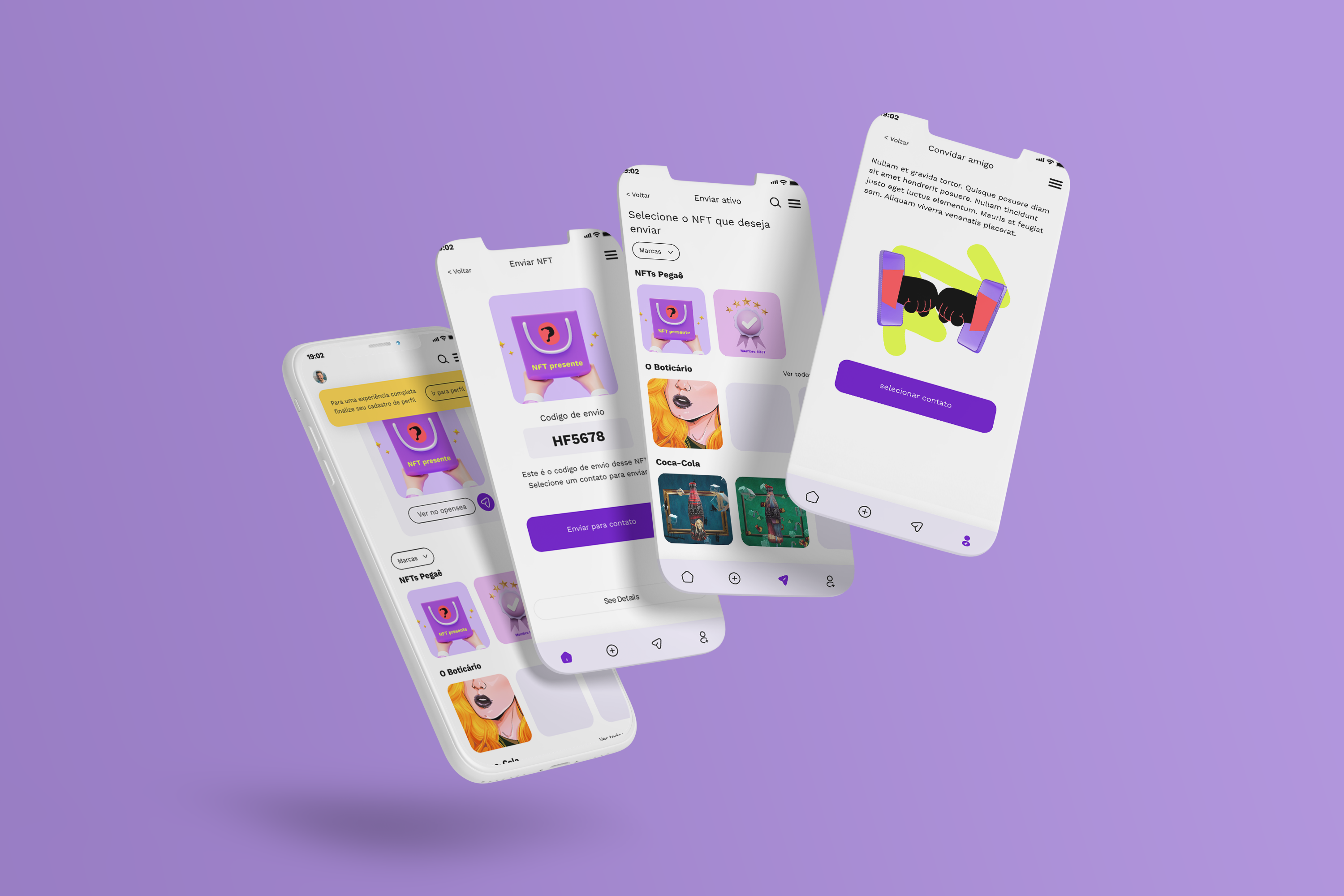
My Role
Product Designer & Founding Designer. Solely responsible for the end-to-end creation of the MVP
- Product Design (UX/UI)
- Styleguide
- Brand / Visual Identity
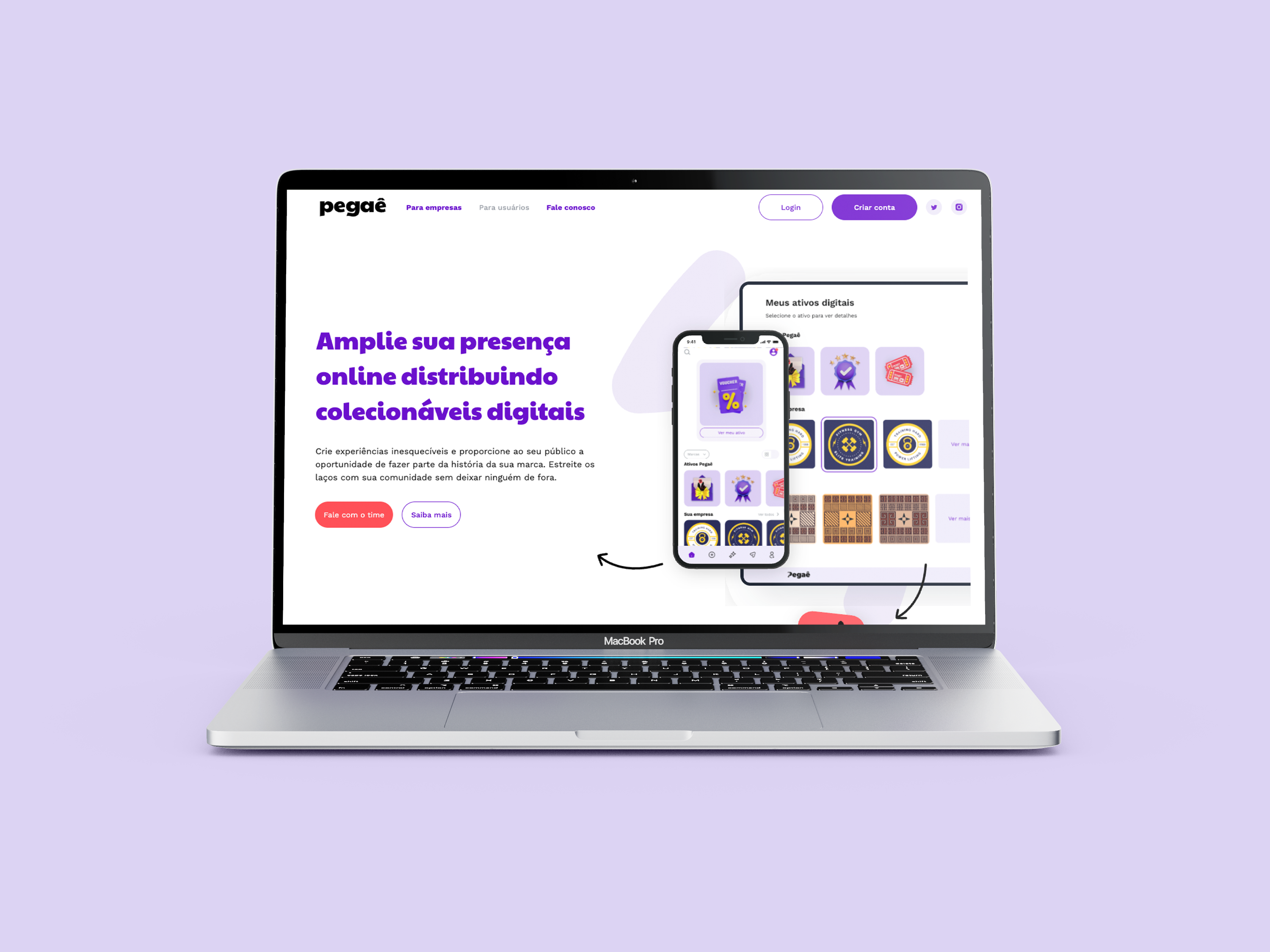
- Web Design
Team involved
- 1 Product Designer
- 3 Software Engineers
- 1 Product Manager
Duration
8 months · 2024
Industry
Loyalty & Brand Engagement · B2B2C
Platform
Web app · Mobile-first
The Impact
By reducing the collectible (NFT) redemption flow from minutes to seconds, the design drove a 44% conversion rate and a 21x ROI for our launch partner (The One - Harley Davidson), capturing 87% net-new leads for their CRM.
Highlights
- Familiar UI over Web3 complexity: Replaced blockchain friction and jargon (“NFT”, “mint”, wallets) with recognizable e-commerce and loyalty patterns, ensuring trust and adoption by non-tech audiences.
- End-to-End Ownership: Visual identity, branding, web design and all B2C flows for the MVP.
- B2B2C Scalability: A simple foundation that lets traditional brands launch digital asset campaigns without massive technical support.
Organizational Context
- Product Strategy: defined by the founders: bringing brands closer to a non-crypto audience with an “experience-first” collectible product, validated in the POC with Harley-Davidson
- Discovery & UX Research: focused on a non-crypto audience; the interface was grounded in recognizable mainstream patterns (Starbucks, Nike) to build instant trust
- Processes: a fast-paced, remote blockchain venture studio; sole designer from concept to launch
Pegaê is a B2B2C solution designed to help brands distribute digital collectibles to engage communities, build loyalty programs, and extract valuable consumer insights.
The project emerged in its MVP phase, where the startup needed to prove to investors and partner brands that blockchain technology could be seamlessly adopted by everyday consumers, not just crypto enthusiasts. Our main goal was to build a bridge between brands seeking innovation and consumers demanding absolute simplicity.
The standard Web3 user journey is heavily friction-loaded. It requires complex wallet setups, technical jargon, and gas fees, causing novice users to immediately abandon the process.
While brands wanted to leverage digital assets for campaigns, they feared the massive technical support overhead and the inevitable low engagement caused by this technological barrier. The market was saturated with "tech-first" solutions; we needed to build an "experience-first" product.
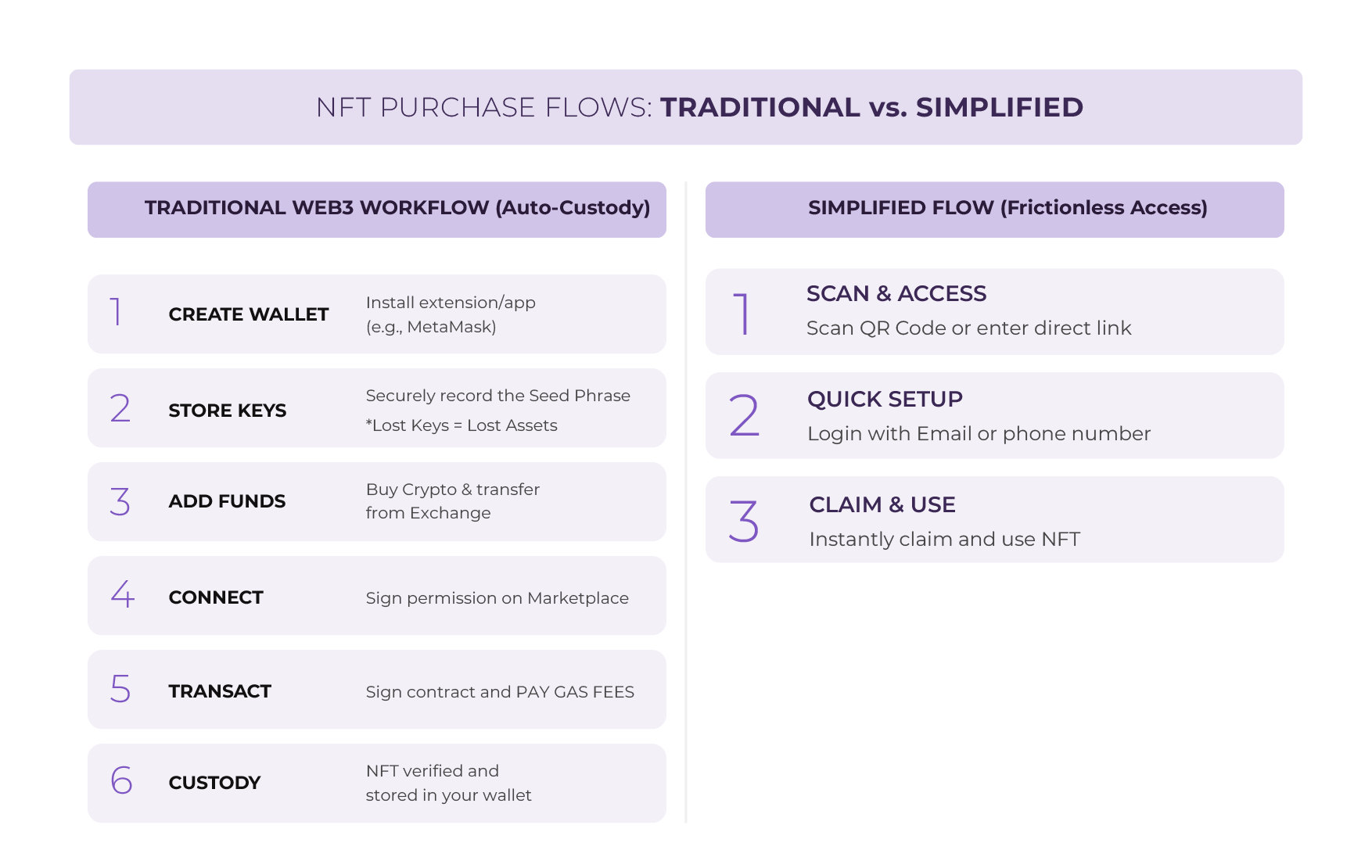
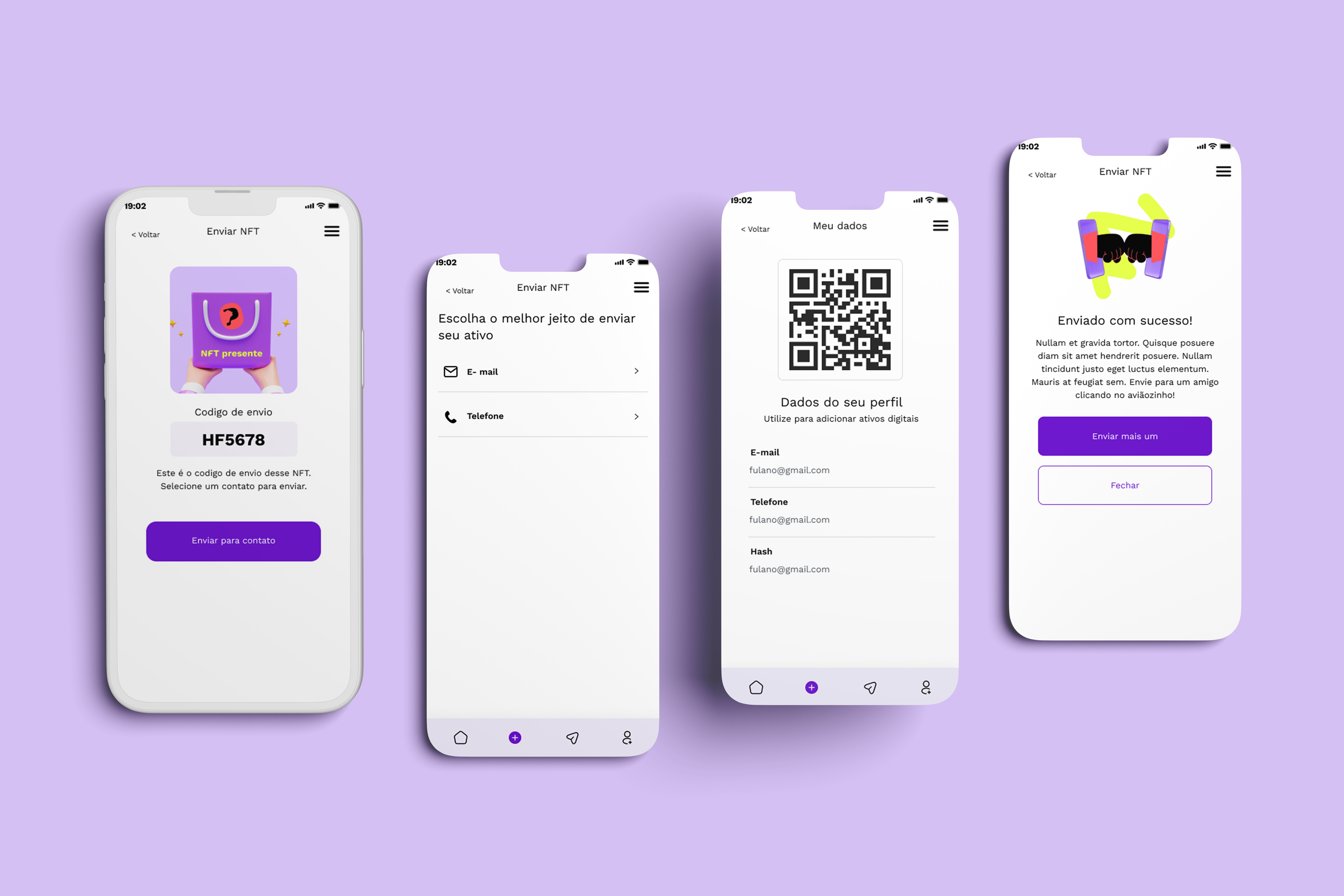
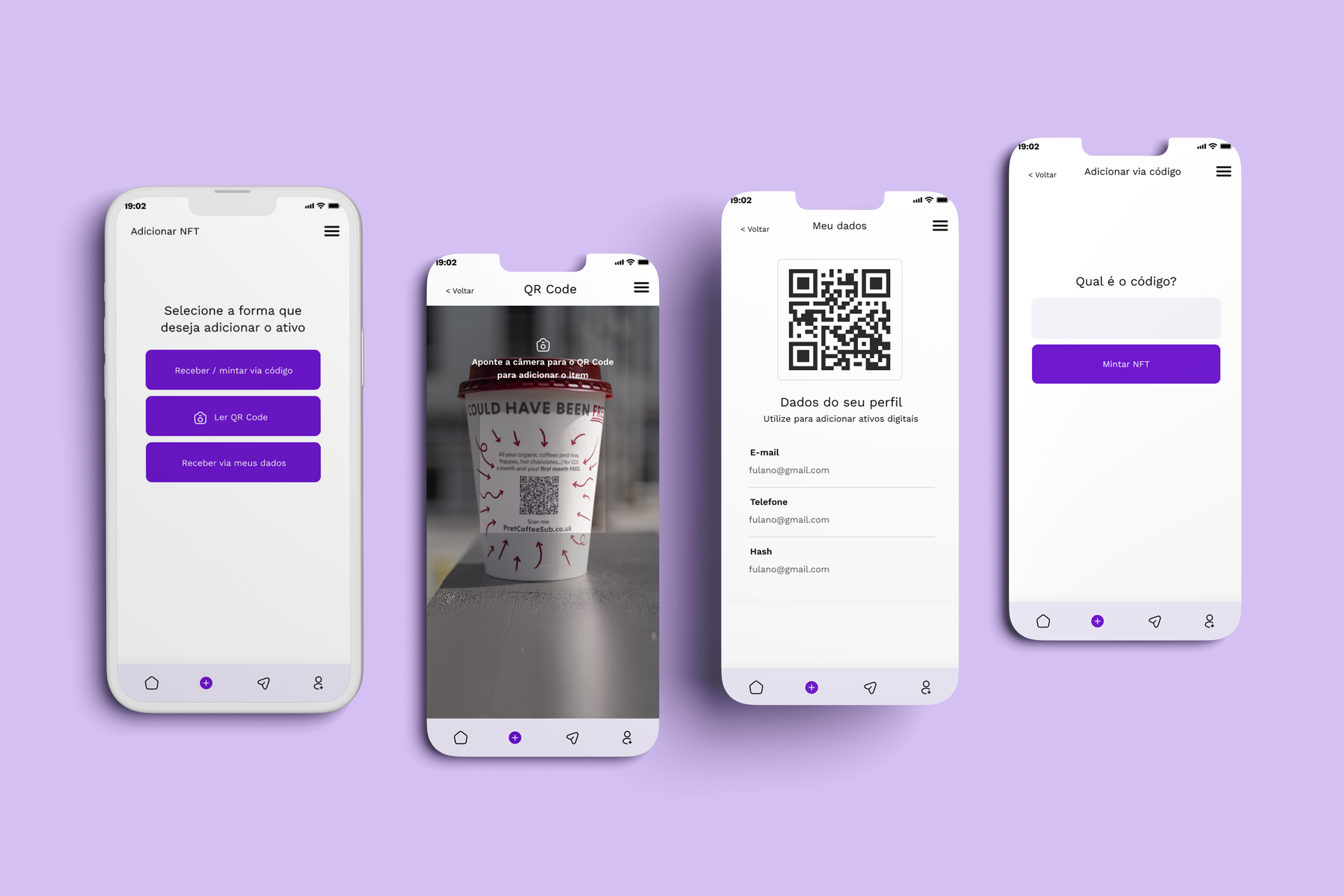
We bypassed the Web3 friction entirely by implementing social logins (Google/Apple) that automatically create a wallet in the background. The end-user simply scans a QR code, logs in with a code they receive, and redeems their collectible in seconds.
We prioritized recognizable UI patterns from successful mainstream apps (like Starbucks and Nike) to establish immediate trust, allowing brands to launch highly engaging campaigns, such as ticket distribution and treasure hunts, without requiring their audience to understand blockchain.
The results were impressive: in the Harley-Davidson (The One) POC, 88 assets were redeemed with a 44% conversion rate and, most importantly, 87% of those users were completely new to the dealership's CRM, an action that also drove sales at the brand's store.
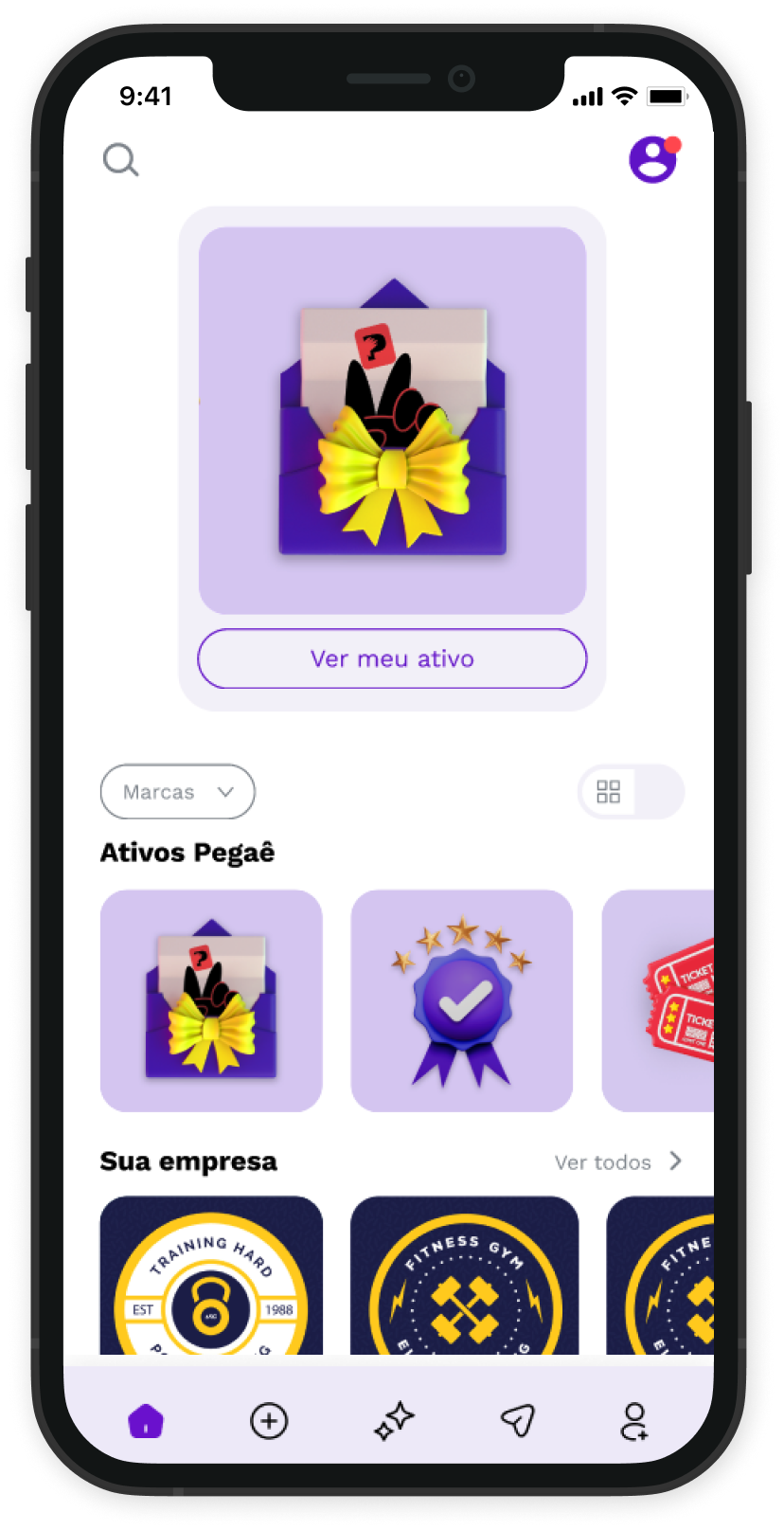
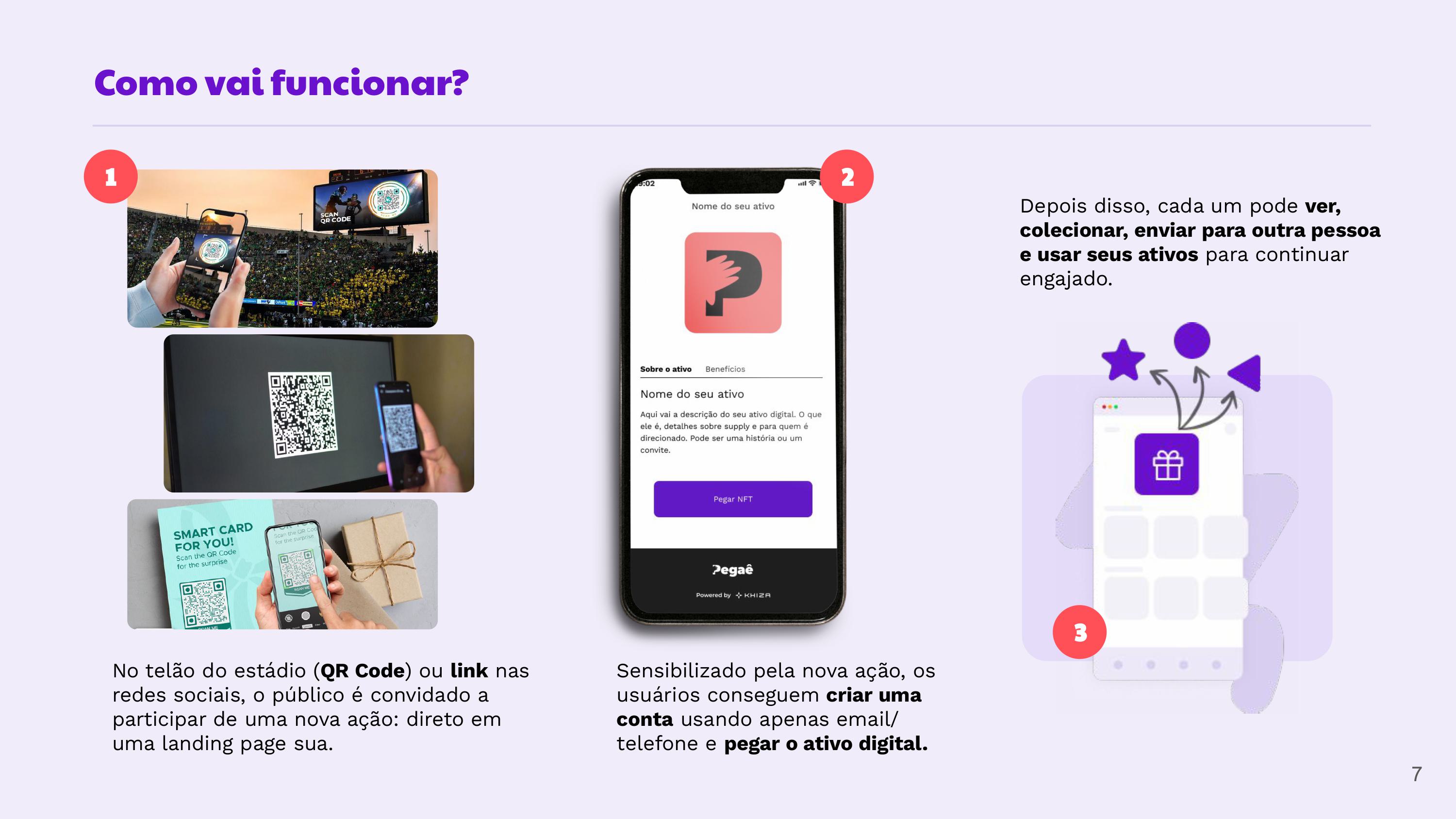
How will it work? (1) On the stadium big screen (QR code) or via a link on social media, the audience is invited to join a new campaign, going straight to the brand's landing page. (2) Engaged by the campaign, users create an account using just email/phone and grab the digital asset. (3) After that, everyone can view, collect, send to others and use their assets to stay engaged.
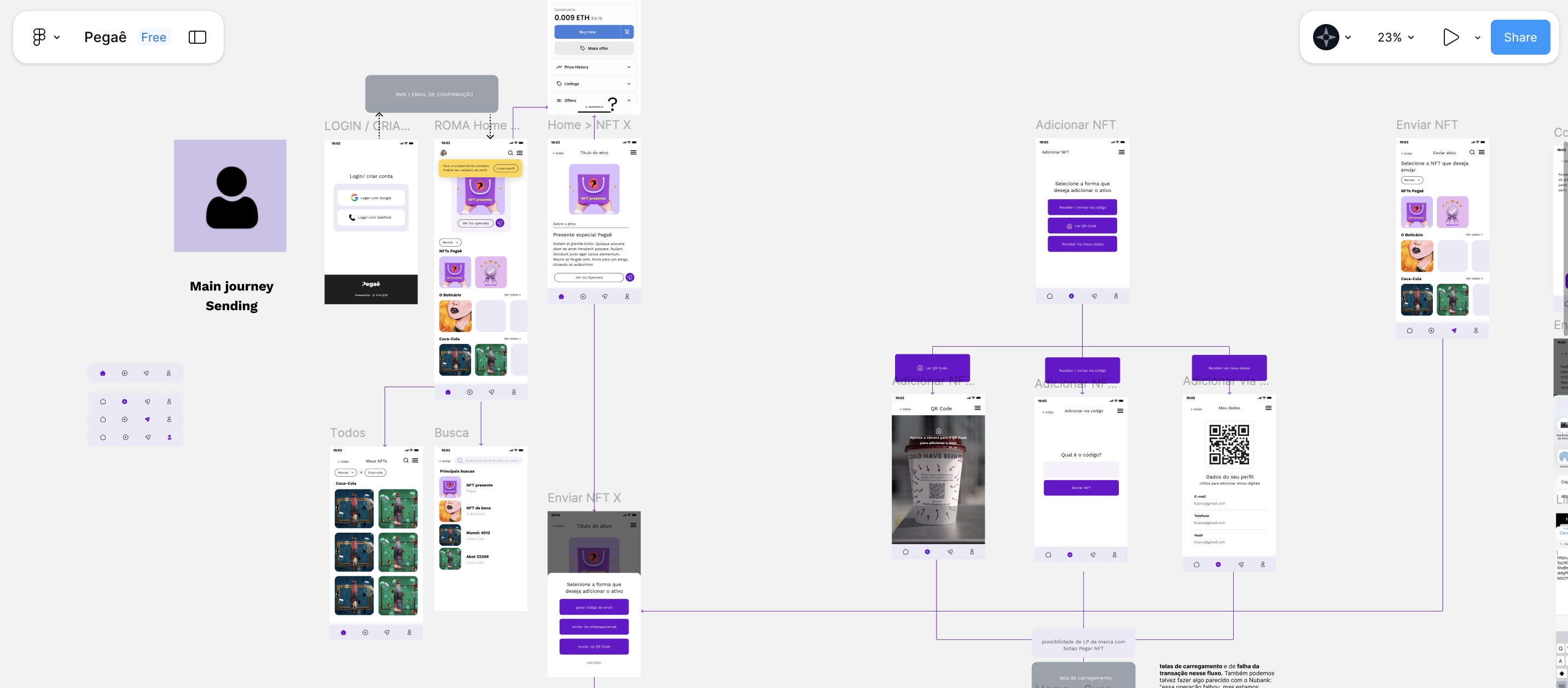
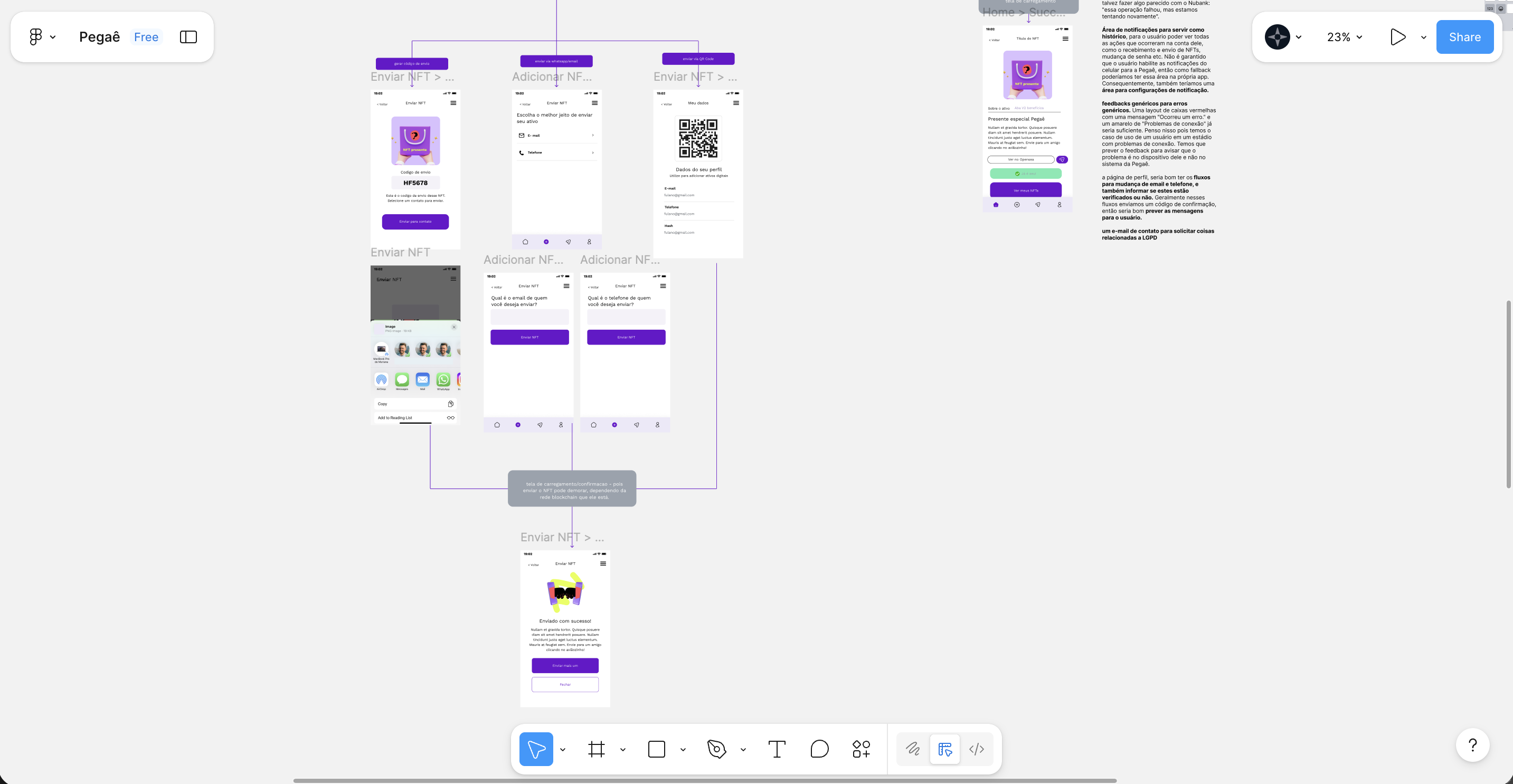
I started with a complete wireframe, but we decided to first develop a simple, agile V1.
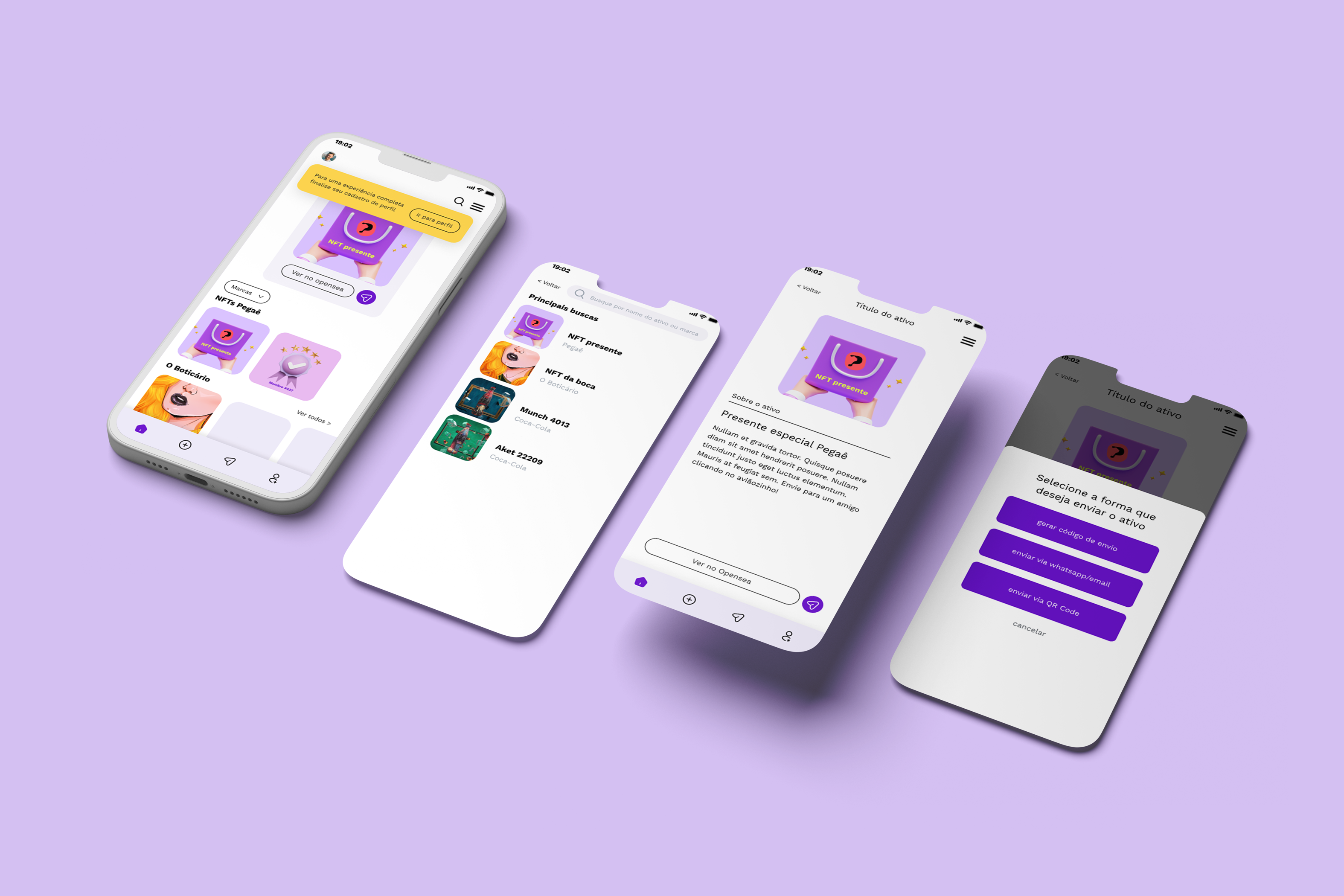
Invisible Technology & language choices: My primary focus was on familiarity. To design for trust, we deliberately chose not to include price charts or technical terms like "NFT" or "Mint". Instead, we used accessible marketing language like "Redeem". By removing the perception of financial speculation, we kept the focus entirely on the collectible's emotional value and the brand experience.
The Harley-Davidson POC: To test our hypothesis, we partnered with a Harley-Davidson dealership (The One). The constraint was clear: we had to integrate the redemption process into their traditional weekend motorcycle rides. The flow had to be frictionless enough for bikers to use at an event.
Scope trade-offs for the MVP: To achieve this speed to market and ensure agile development, I had to pare down the comprehensive initial wireframes.
We paused features like profile customization, asset inventory, and filters to focus strictly on the core loop: seamless onboarding and instant redemption.
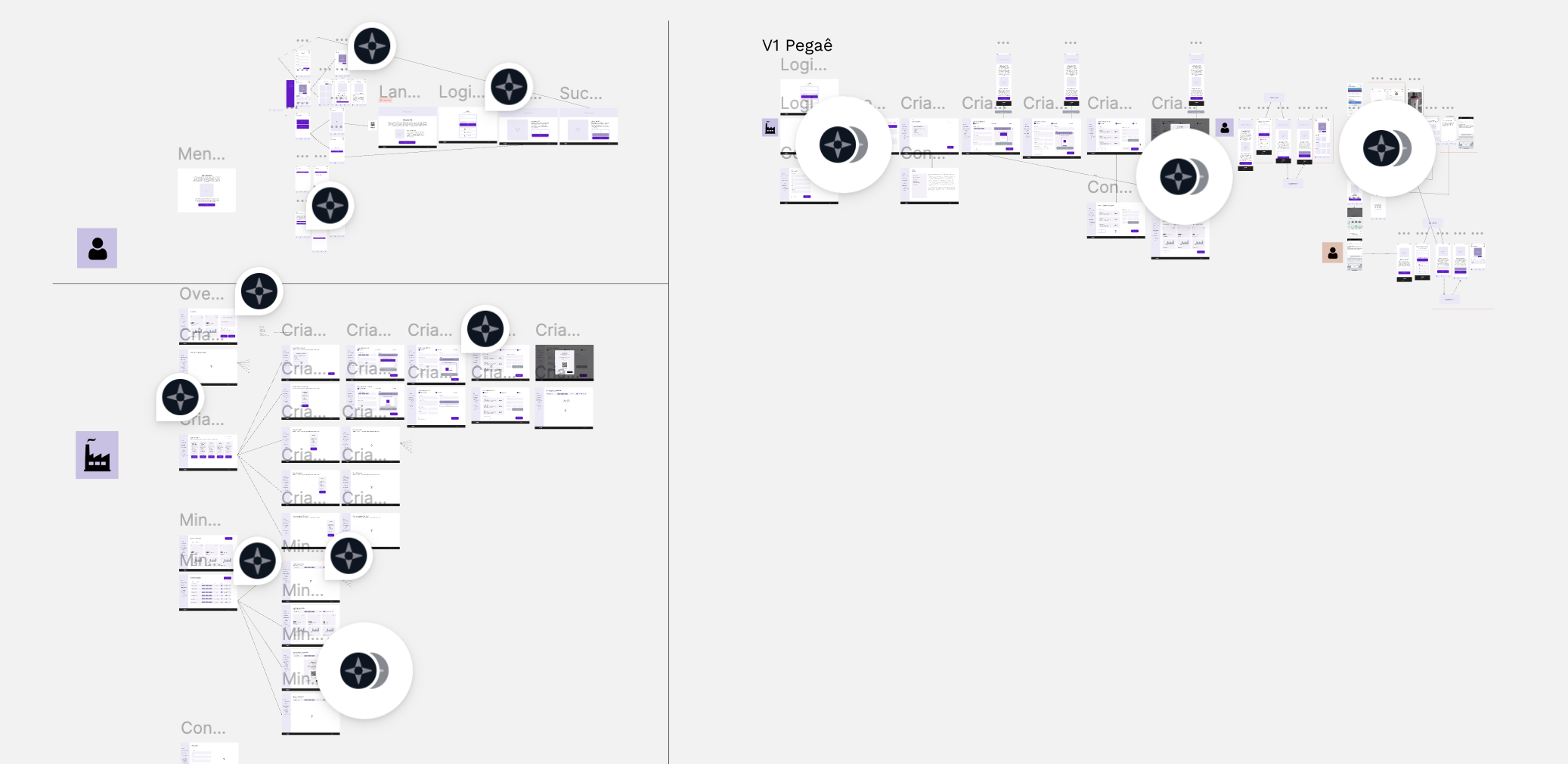
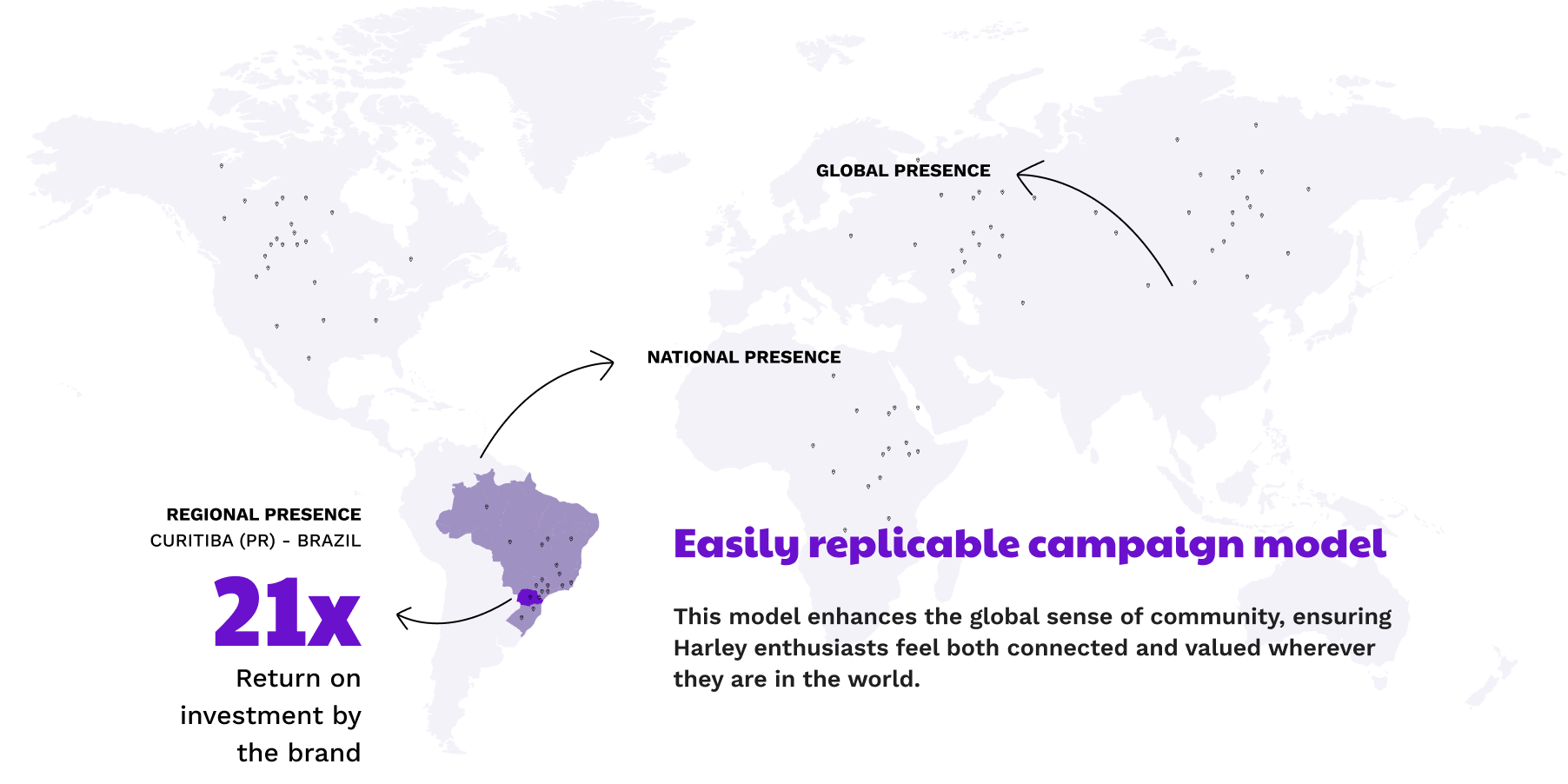
Easily replicable campaign model: from regional presence (Curitiba (PR), Brazil, with a 21x return on investment for the brand) to national and global presence. The model enhances the global sense of community, ensuring Harley enthusiasts feel connected and valued wherever they are in the world.
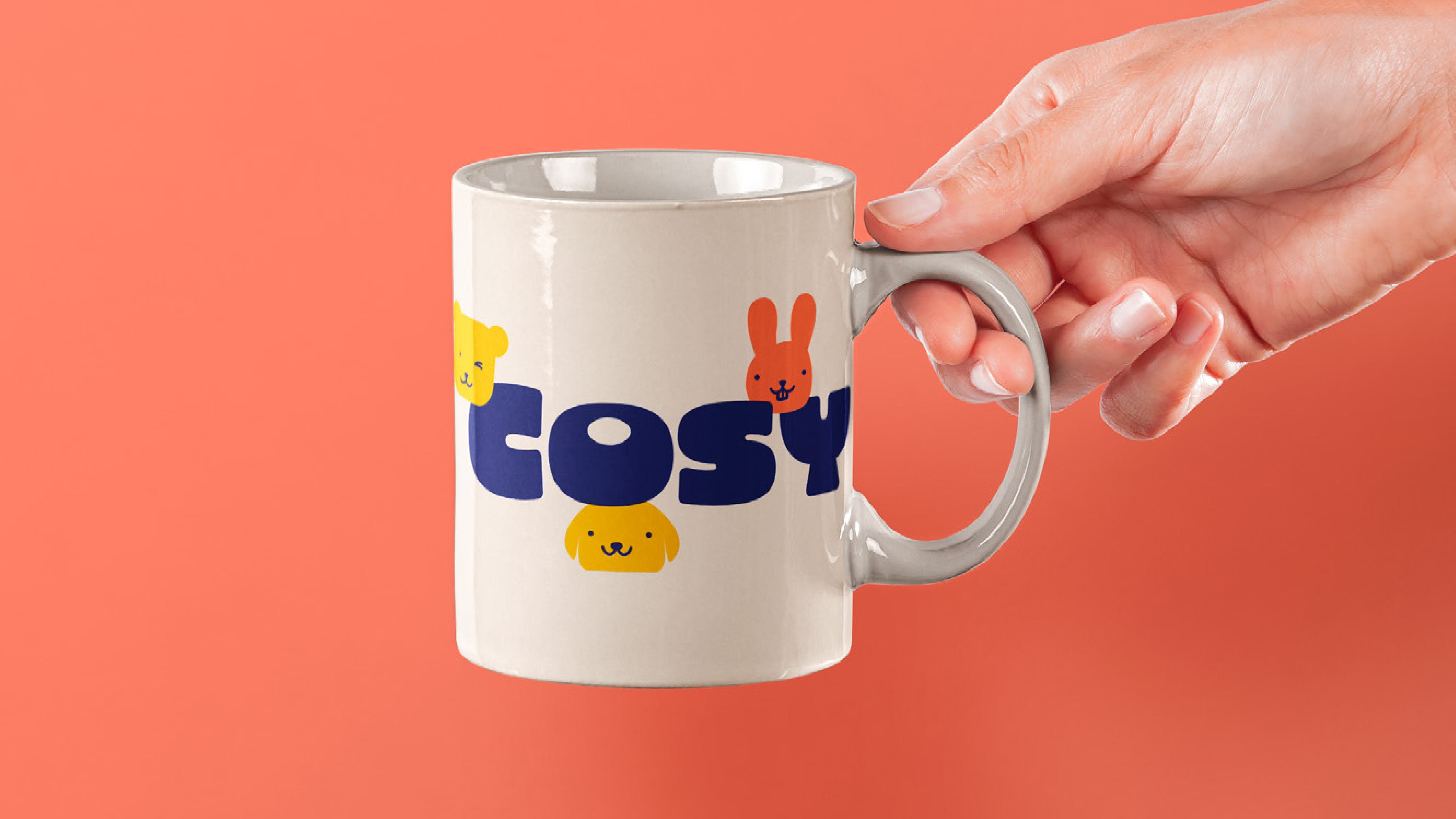
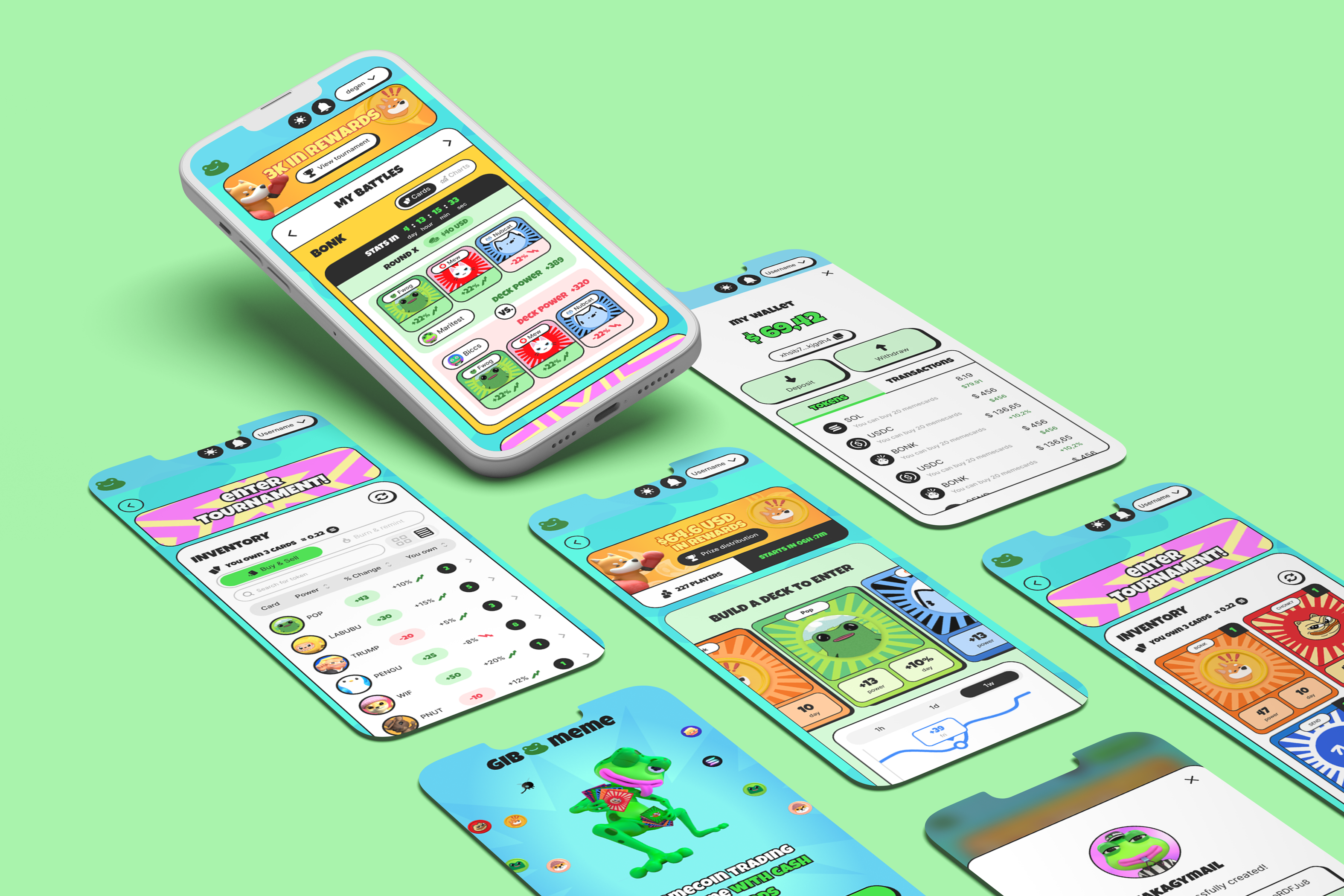
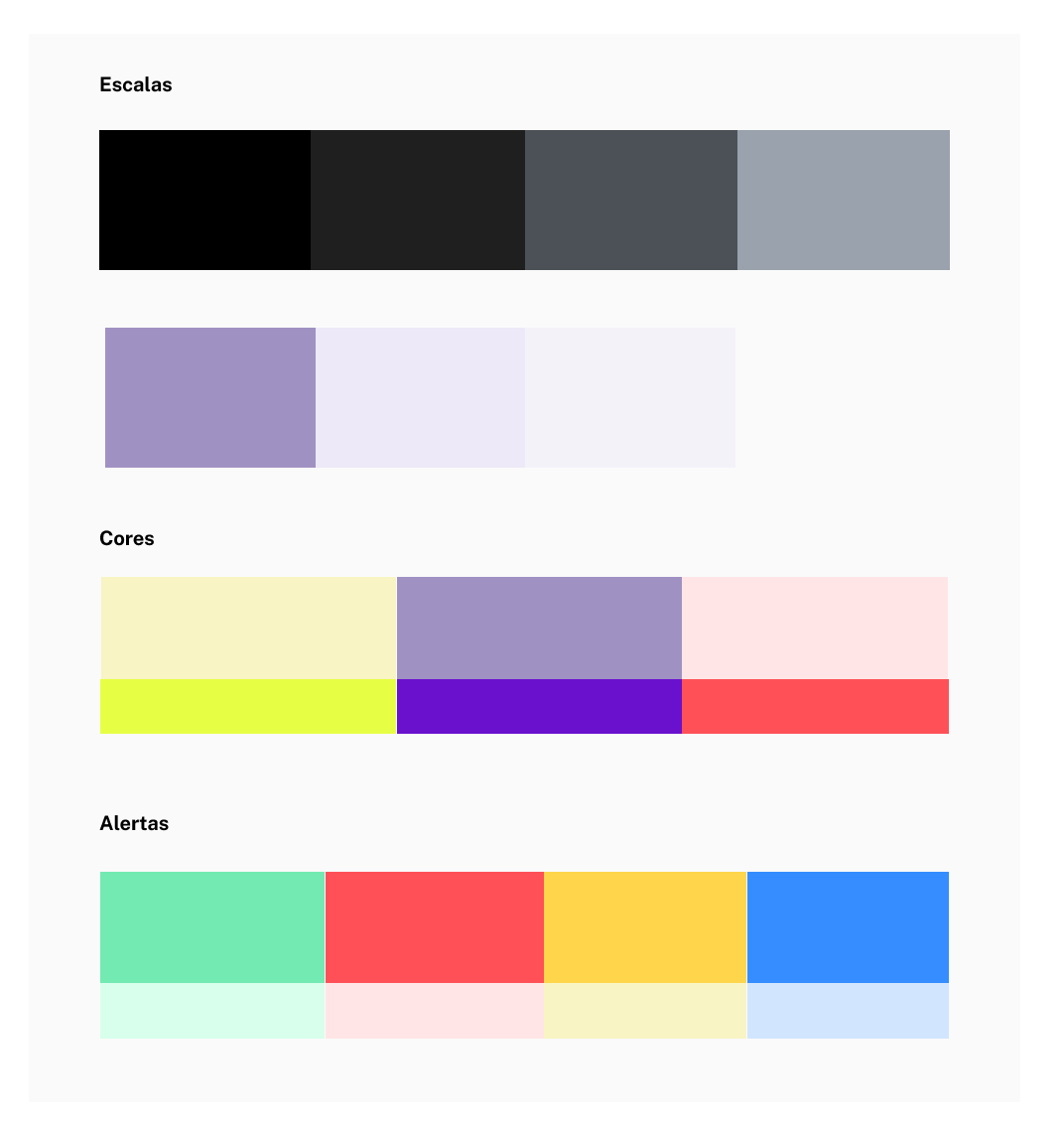
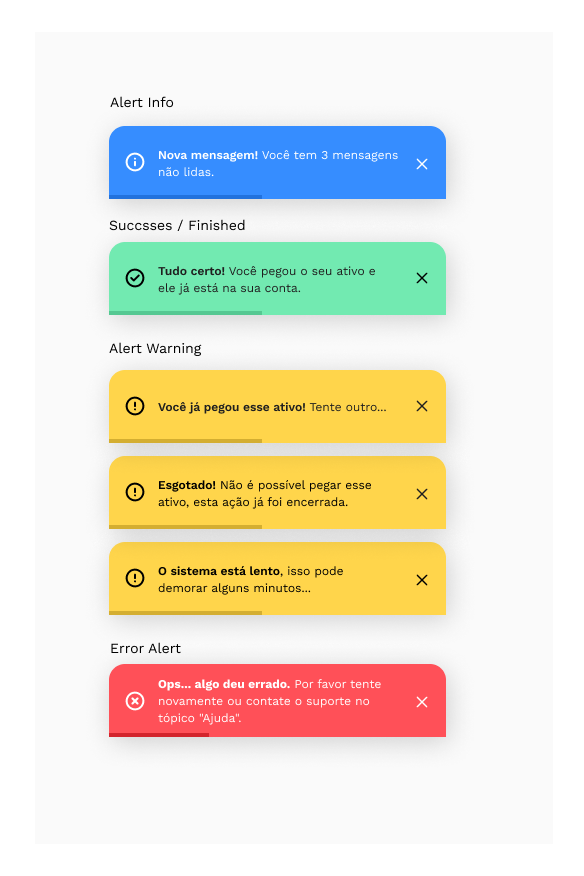
Beyond the product, I created the brand from scratch: logo, visual identity, illustrations and styleguide. The brand needed to feel alive and joyful, inviting and dynamic enough to speak to a general audience, bringing the digital collectible closer to the joy of collecting in the physical world, far from any technical feel.
What I learned: This project reinforced that in emerging tech markets, UI design and content strategy are the strongest tools for risk mitigation. Reducing user fear through familiar visual language is more important than showcasing the technology itself.
Next Steps: If given more runway, I would delve deeper into gamification mechanics within the user's wallet to drive retention between brand campaigns.
On the B2B side, the next priority would be designing a robust analytics dashboard for brand managers to track real-time conversion and CRM growth generated by their collectible drops.