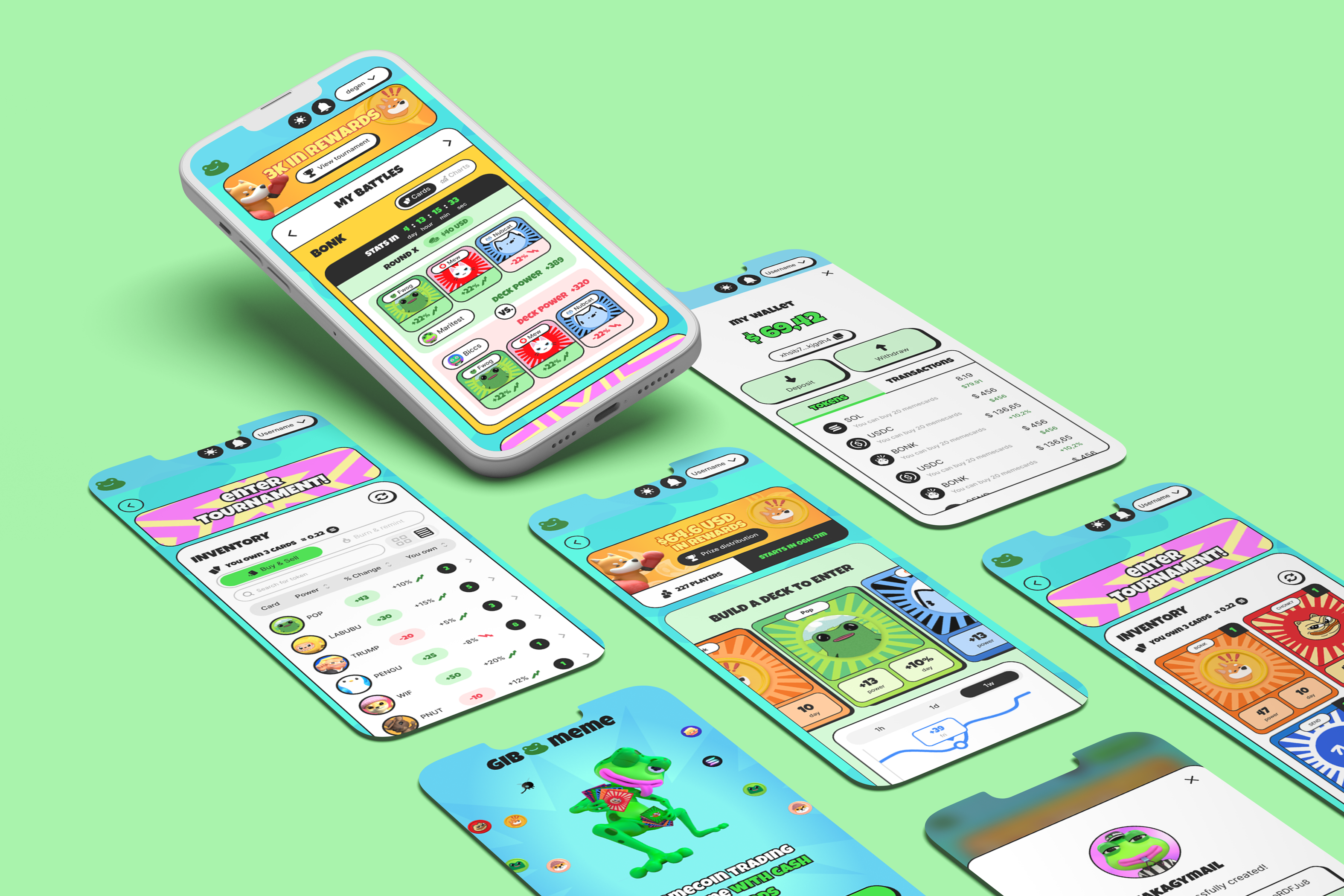
Pulse
How we transformed passive interaction into on-chain rituals and boosted community engagement in just a few days.
My Role
Design Lead
- Led the lean product process with the owner and devs
- Product Design (UX/UI)
- Initial Style Guide
Duration
3 Days (72-hour Hackathon Sprint)
Team
- 1 Lead Product Designer
- 2 Web3/Blockchain Developers
- 1 Product Manager
The Impact
2nd place overall at the Loomx Hackathon. Community engagement (measured via Ipê City’s Discord and WhatsApp) jumped from 35% to 90% during the event’s validation testing phase.
Highlights
- Rapid prototyping under extreme pressure;
- Validation of on-chain rituals versus traditional governance (voting);
- Team leadership.
Although Web3 is built on the promise of active online communities, the reality is a landscape of abandonment. Snapshot data reveals that the engagement rate in major DAOs is less than 10%.
The root problem isn't a lack of initial interest, but the reliance on passive and sporadic governance systems (like isolated voting). Without a structure of recurrence, the sense of community dies and collective actions fail to happen.
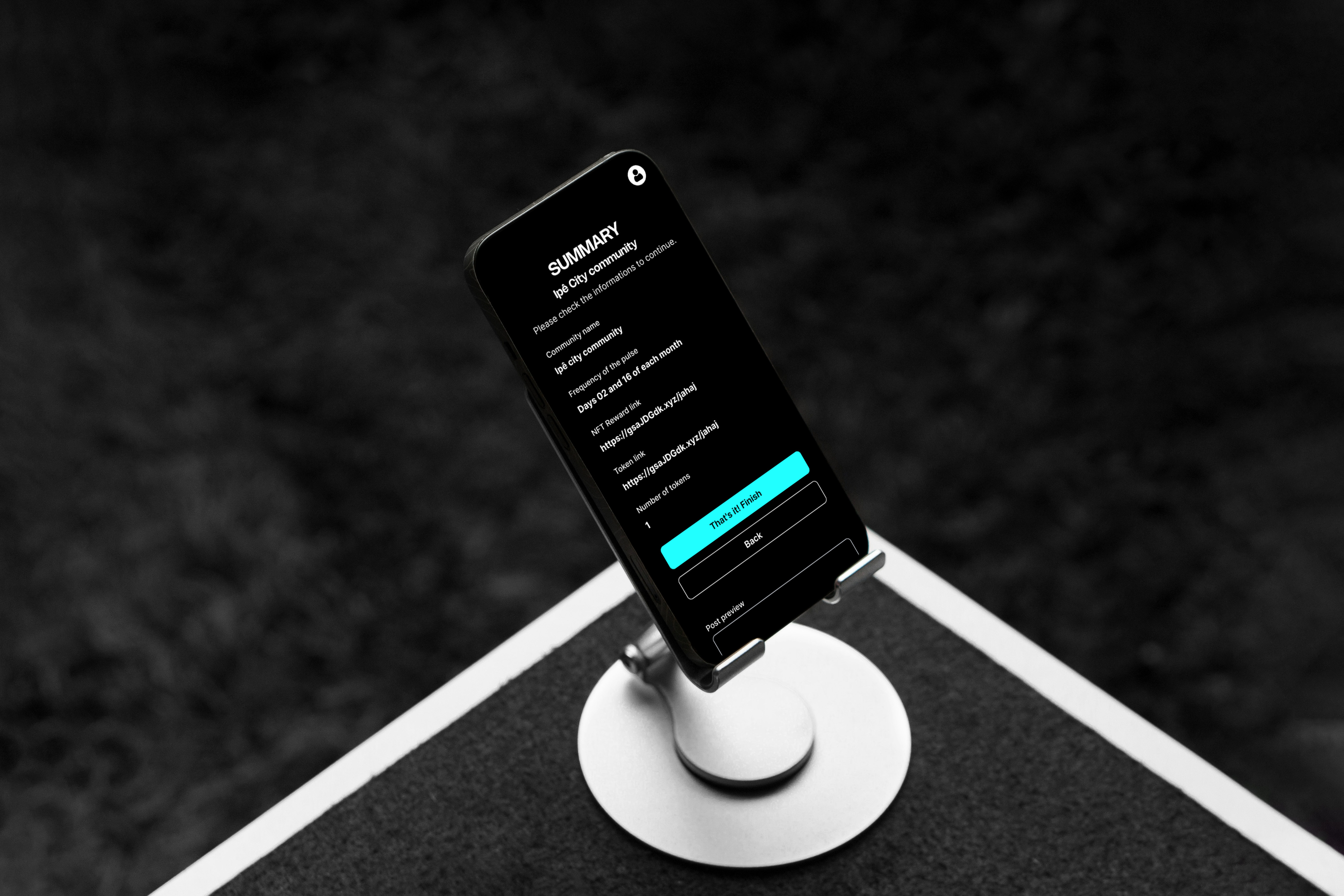
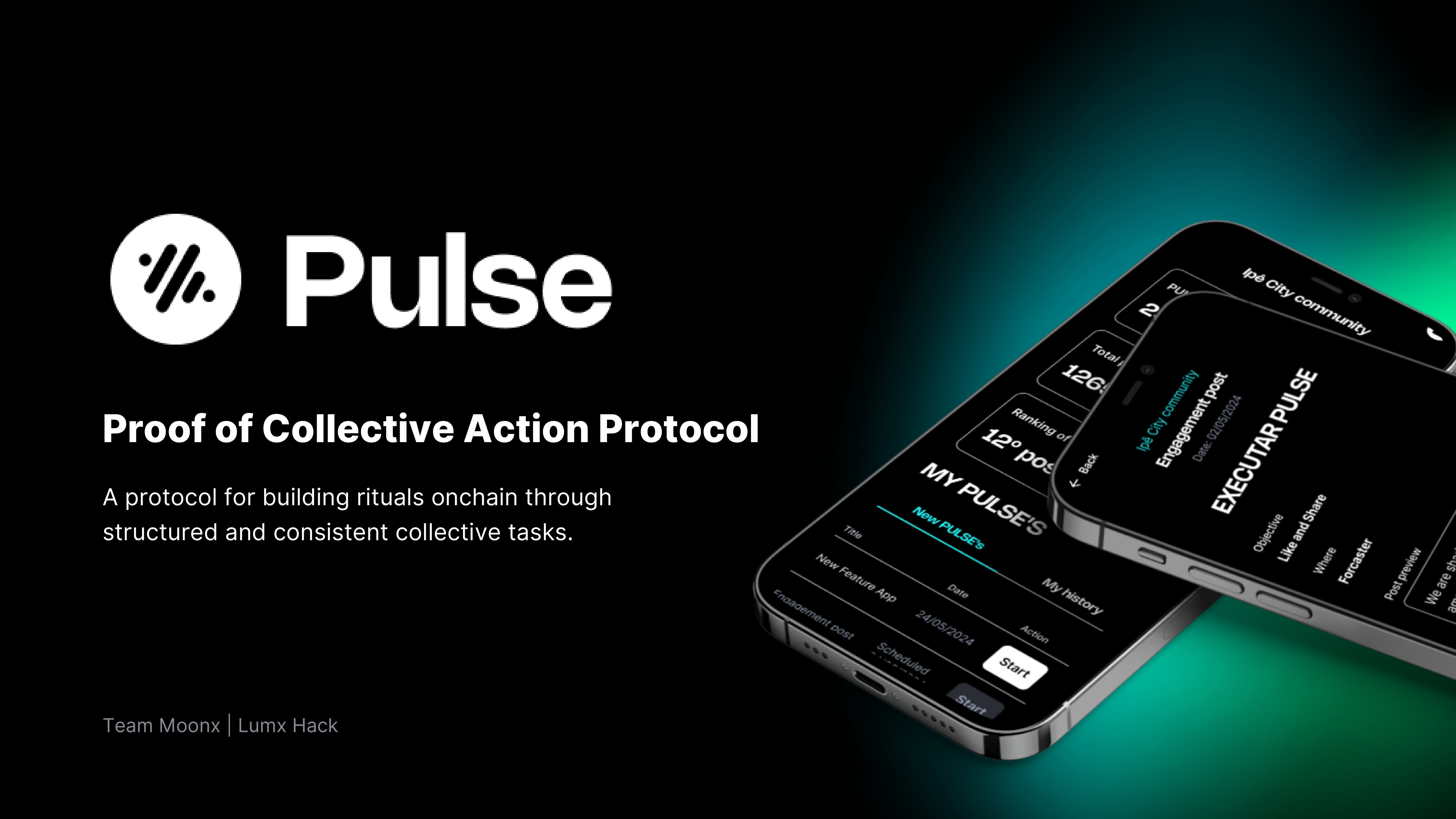
Pulse (Proof of Collective Action Protocol) was born during the 72-hour sprint of the Loomx Hackathon as a direct response to the biggest pain point in Web3 communities (DAOs): inactivity. The project was designed and validated in real-time at Ipê City (Brazil's first startup city), creating a framework to coordinate members who needed to execute collective tasks.
We investigated what truly makes people engage over the long term. We identified that successful social protocols (like holidays or cultural practices) share four properties: a proper name, rituals with recurring dates, clear rewards/punishments, and memetic potential.
Based on this, Pulse operates through two core mechanics:
Coordinated Action: On specific days of the month, members collectively perform an activity (the "Pulse").
On-chain Verification: The protocol audits the execution of this activity and issues a participation certificate recorded on the blockchain.
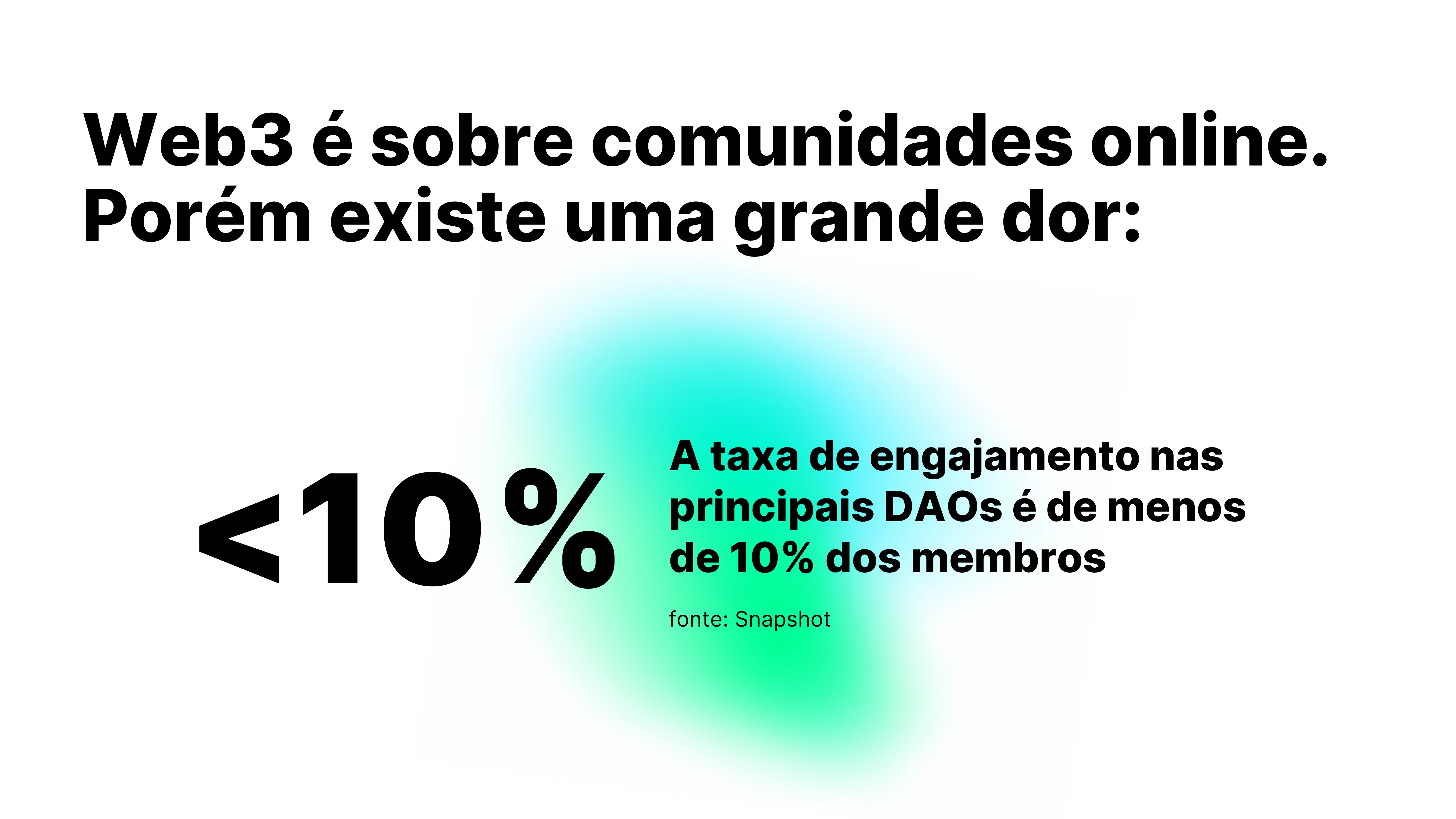
The core problem: Data from Snapshot shows that the engagement rate in major DAOs is less than 10%, highlighting the failure of passive digital communities.
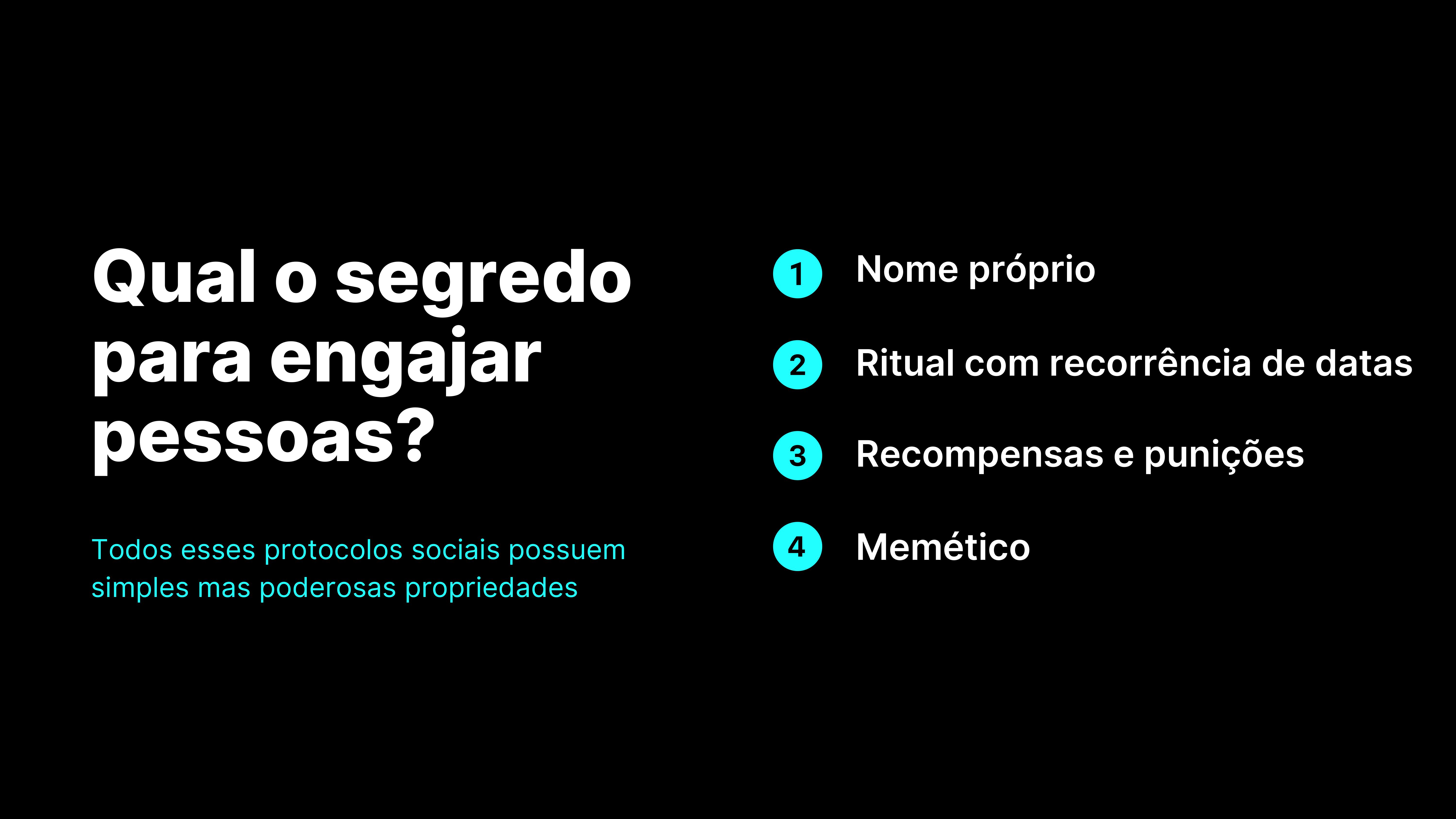
Our UX strategy: We identified four pillars of successful offline social protocols to replicate digitally, a proper name, recurring rituals, clear rewards/punishments, and memetic potential.
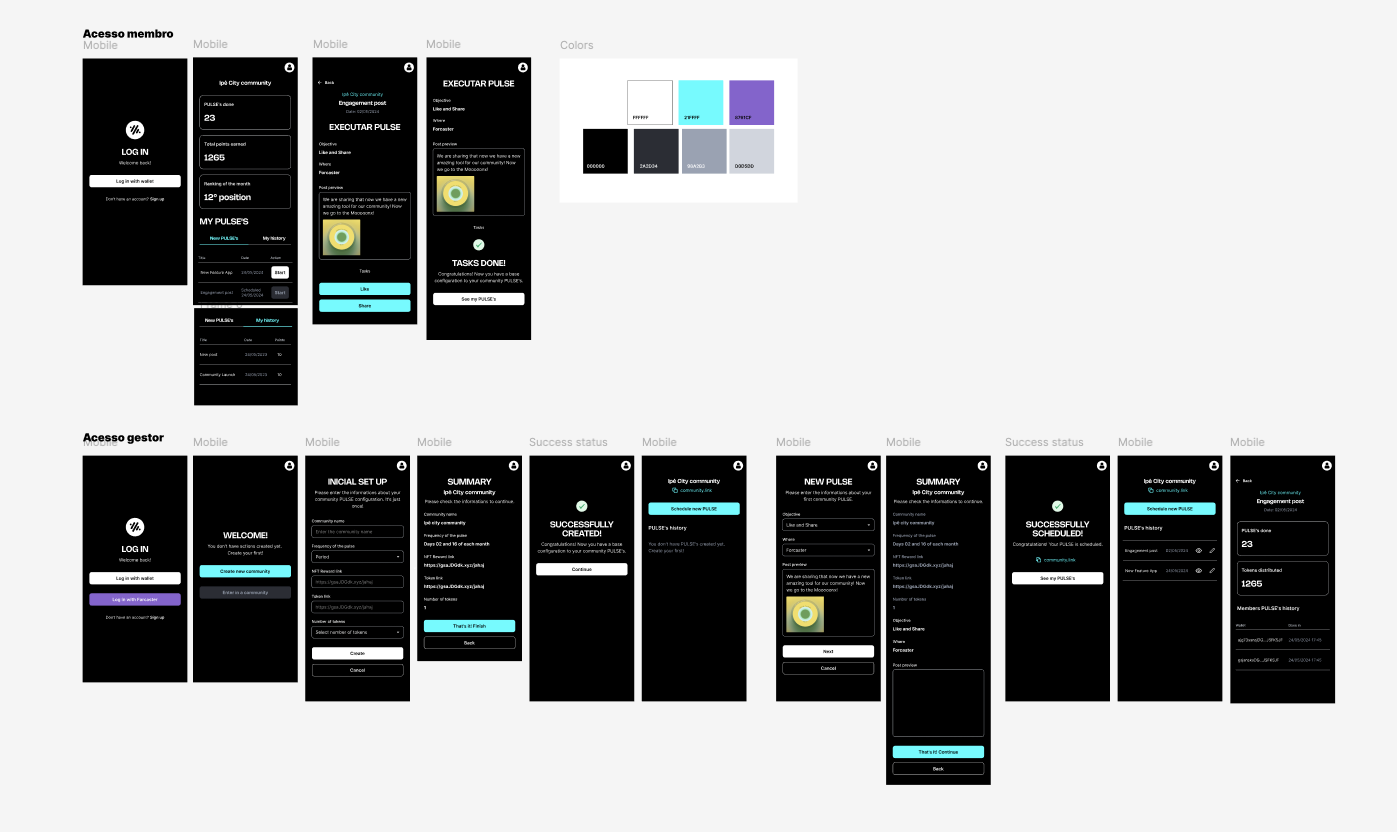
Extreme Time Constraints: With a 3-day deadline and no planned continuation after the challenge, the design had to be ruthlessly utilitarian. The focus was on creating a simplified, straightforward, and minimalist interface, prioritizing function over visual flair.
The Collective Over the Individual: I opted for a dashboard that exclusively highlighted group progress rather than individual effort. This activated the psychological trigger of "collective action" and a sense of belonging.
Intentional Friction: We added verification steps that increased task completion time. Although counterintuitive in traditional UX, this friction was a deliberate decision to ensure the integrity of the "proof of action," which is non-negotiable for trust in on-chain systems.
Outsourcing Communication: We chose not to design internal chat systems. To maintain focus on the protocol's core (incentive mechanics), we leveraged the users' existing social networks, using Farcaster not just for a frictionless Web3-native login, but alongside Discord and WhatsApp as our official communication channels.
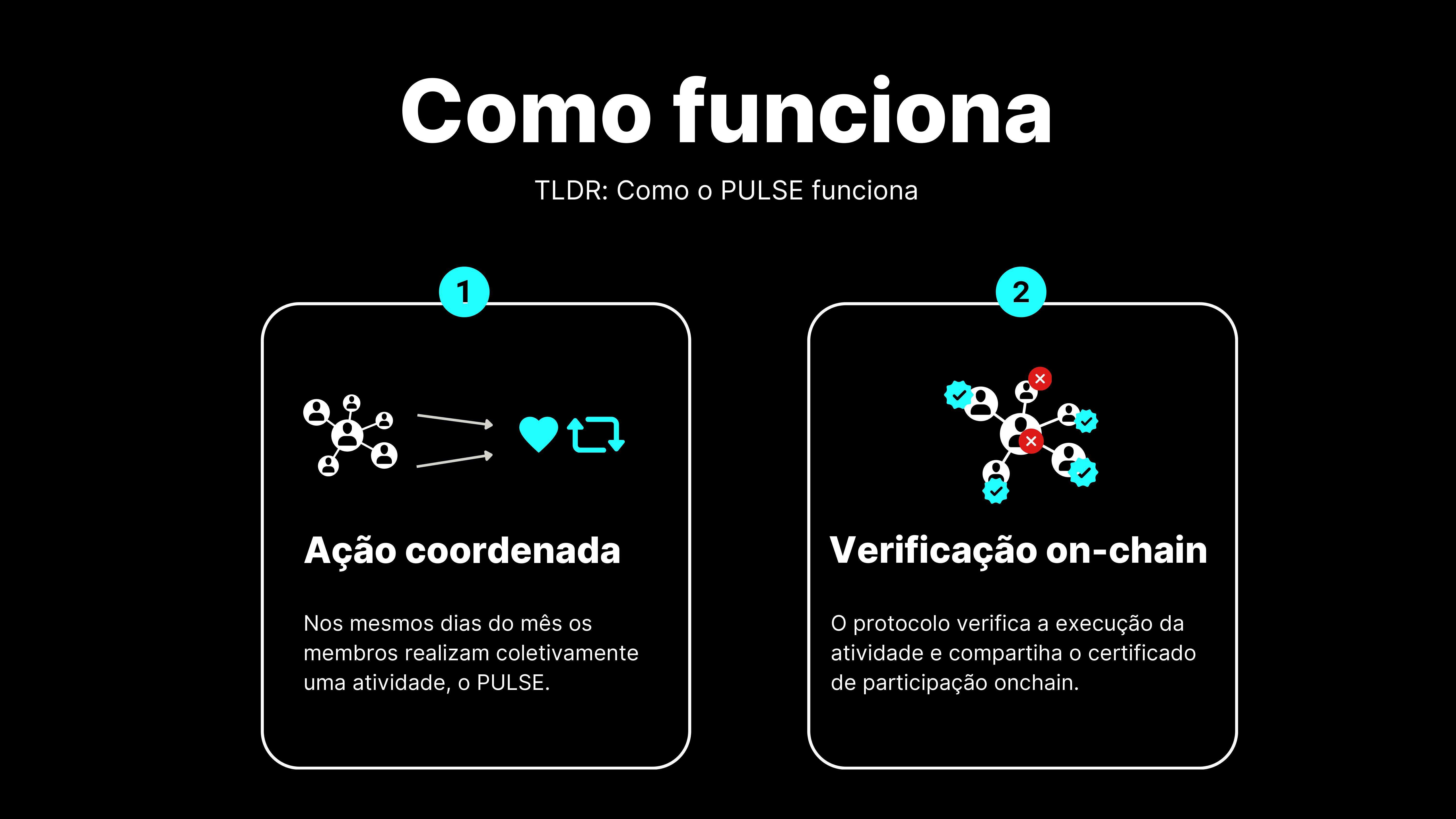
Protocol mechanics simplified: (1) Coordinated Action on specific dates, followed by (2) On-chain Verification to issue blockchain-based participation certificates.
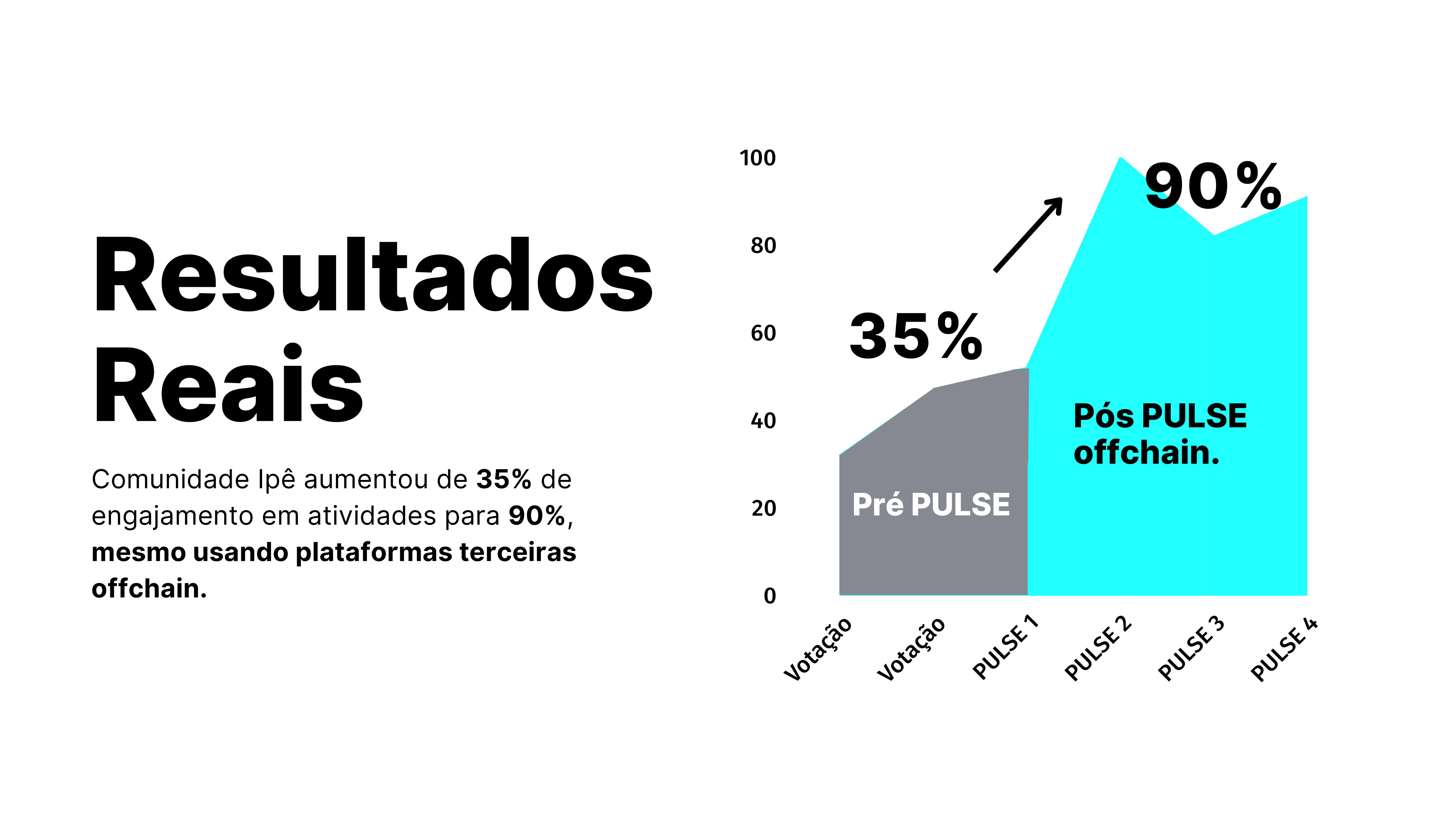
Real-world validation at Ipê City: Shifting from a passive voting model (35% engagement) to coordinated "Pulses" drove active participation up to 90%.
Leading a technical team in a hackathon taught me to design with a strict focus on the essentials. The product validation was undeniable: by shifting from a "passive voting" model (which generated only 35% engagement in Ipê City) to "Coordinated Pulses", we reached 90% recurring participation, even while using third-party, off-chain platforms for communication.
The logical next step: While using Farcaster for login created a seamless, one-click onboarding experience for Web3 natives, it completely excludes outside users. The next phase of the product would require designing an inclusive onboarding flow (like Account Abstraction via email) to reduce the entry barrier for non-crypto-native members.
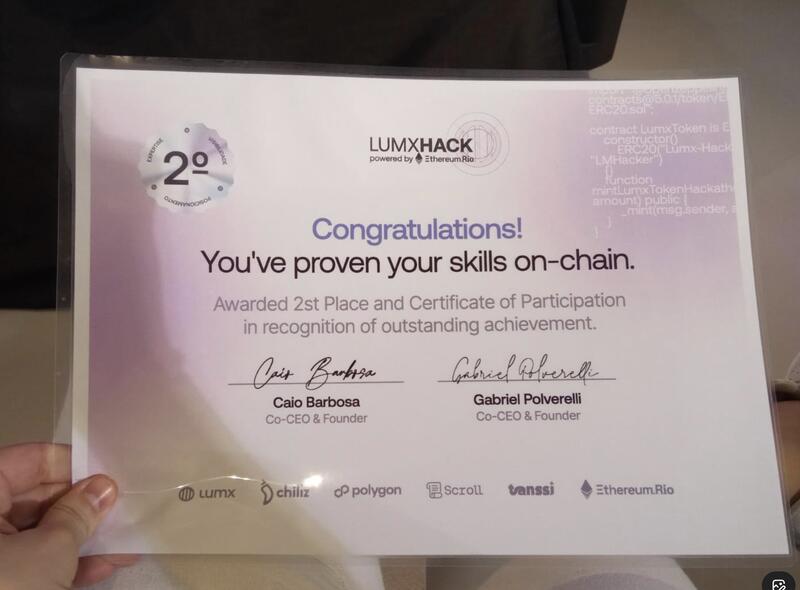
The team at the Loomx Hackathon, where Pulse won 2nd place overall.